









Zambian Music Evolution Explained: 10 Artists Who Changed the Industry
The cultural narrative of Zambian music is a rich tapestry woven through decades of socio-political...


The cultural narrative of Zambian music is a rich tapestry woven through decades of socio-political transformation, technological shifts, and sonic evolution. From the copper-fueled independence dawn of Zamrock in the 1970s to the digital streaming era of contemporary Afropop and Amapiano-infused rhythms, musicians have served as key chroniclers of the Zambian experience.
To evaluate “influence” within this musical landscape requires looking far beyond surface-level streaming metrics, viral trends, or digital chart positions. True artistic influence is measured by structural impact: the capacity to shape sonic direction, shift cultural conversations, influence creative trends, and build frameworks that later generations of musicians adapt.
This analysis explores ten influential Zambian musical artists—figures who, in different ways, helped shape the identity of the country’s modern entertainment landscape.
To maintain analytical balance and reduce bias, this framework evaluates each artist against four key pillars:
No historical analysis of Zambian musical influence can begin without Paul Ngozi (born Paul Nyirongo). In the mid-1970s, as Zambia navigated post-independence transitions, Ngozi emerged as a central figure in the Zamrock movement. Leading the Ngozi Family, he fused psychedelic rock influences with local rhythmic structures and vernacular storytelling.
Ngozi’s influence was both sonic and cultural. At a time when imported music dominated elite spaces, he helped bring local lived experiences into mainstream sound. His guitar style and energetic performances made him one of the most recognizable figures of his era.
More importantly, his songs carried strong social commentary. Tracks such as Viva Ngozi and 99% Confusion addressed urban struggle, family dynamics, and moral tension using expressive Bemba and Nyanja storytelling. He helped establish an early blueprint for socially conscious Zambian music.
During the late 1980s and early 1990s, as live band culture declined and imported genres gained dominance, Daddy Mikey (Michael Monje) played a key role in shaping early urban music direction in Zambia.
He contributed to the early integration of dancehall and reggae-inspired rhythms into local youth music culture, adapting them to Lusaka and Copperbelt realities. His experimentation with early digital production tools helped demonstrate that impactful music could be created outside traditional live-band structures.
His influence is often discussed in relation to the later growth of urban pop movements in Zambia.
P.K. Chishala played a central role in elevating Kalindula music into a widely respected storytelling form. A blind multi-instrumentalist, his work is known for its narrative depth and cultural authenticity.
His catalog includes strong social commentary addressing everyday life, morality, and community struggles. Songs such as Pastor Mambala remain widely referenced in discussions about socially conscious Zambian music.
Chishala helped demonstrate that local musical identity could achieve both cultural respect and commercial success without relying on external stylistic influence.
At the turn of the millennium, JK (Jordan Katembula) emerged as one of the key figures shaping modern Zambian pop. Working within the early Sling Beats ecosystem, he blended Kalindula influence with R&B vocal styles and clean studio production.
His early 2000s work helped define mainstream radio sound in Zambia, with songs such as Kapiripiri becoming widely recognized.
JK also played a role in expanding the commercial potential of Zambian pop artists, including endorsement opportunities and regional collaborations, helping shape the business model of modern artists.
Macky 2 (Mark Kaira) contributed significantly to the growth of independent hip-hop culture in Zambia. Emerging from the Copperbelt, he helped popularize a street-driven rap identity that resonated strongly with working-class youth.
Through grassroots promotion methods and early digital distribution strategies, he built a loyal fanbase outside traditional media systems.
His imprint, Alpha Entertainments, later became a platform for developing new talent and strengthening Copperbelt representation in mainstream music.
Chef 187 (Kondwani Kaira) is widely recognized for advancing lyrical complexity in Zambian hip-hop. His use of Bemba wordplay and structured rhyme schemes helped redefine rap standards locally.
Albums such as Heart of a Lion and Amnesia contributed to his reputation as one of the most technically skilled rappers in the country.
His success also helped reinforce the idea that local languages could carry mainstream hip-hop without reducing artistic value.
Mampi (Mirriam Mukape) played an important role in expanding the visibility of Zambian female artists across the region. Emerging in the mid-2000s, she built a bold performance identity that combined dancehall energy with pop accessibility.
Her music gained traction across several African markets, helping position Zambian female artists within wider regional conversations.
Danny Kaya (Danny Siulapwa) built a career focused on social commentary and reflective storytelling. His music frequently addressed issues such as relationships, governance, and public morality.
He became known for balancing socially conscious themes with accessible musical structure, allowing his work to reach both radio and nightclub audiences.
Pompi (Chaka Nyathando) contributed to the evolution of gospel-inspired Afro-fusion music in Zambia. His approach blends hip-hop, soul, and African rhythms into a modern spiritual and reflective sound.
His work helped expand gospel music beyond traditional church boundaries into broader mainstream spaces.
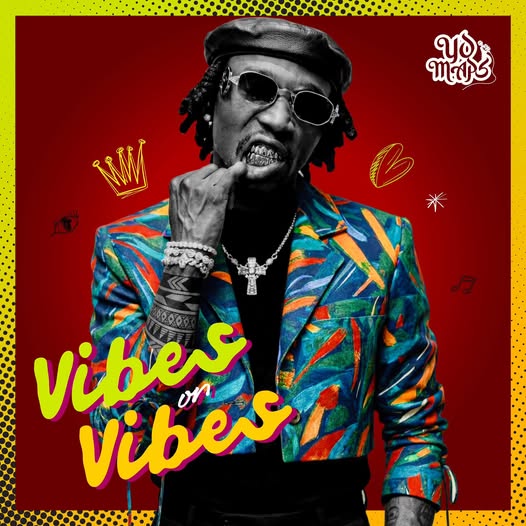
Yo Maps (Elton Mulenga) is one of the most commercially dominant figures in contemporary Zambian Afropop. Since his breakout success with Finally, he has consistently delivered widely streamed and emotionally driven records.
His sound blends Kalindula-inspired melodies with modern Afropop production, appealing to both local and regional audiences.
Collaborations such as Moses with Harmonize reflect the ongoing trend of cross-border African music partnerships.
The table below outlines the primary areas where these ten pillars exerted their strongest industry influence:
| Artist | Era | Primary Genre | Greatest Influence Area |
|---|---|---|---|
| Paul Ngozi | 1970s | Zamrock | Sonic Innovation & Social Commentary |
| Daddy Mikey | 1990s | Early Dancehall / Urban Pop | Foundation of Digital Urban Production |
| PK Chishala | 1980s | Kalindula / Folk | Masterful Storytelling & Traditional Preservation |
| JK | 2000s | Afropop / R&B | Commercializing Pop & Corporate Endorsements |
| Macky 2 | 2010s | Hip-Hop / Street Pop | Independent Business Models & Regional Imprints |
| Chef 187 | 2010s | Hip-Hop / Rap | Linguistic Innovation & Wordplay Metaphor |
| Mampi | 2000s–Present | Dancehall-Pop | Expanding Cross-Border Regional Reach |
| Danny Kaya | 2000s | Acoustic Pop / Reggae | Socio-Political Commentary & Concept Albums |
| Pompi | 2010s–Present | Afro-Fusion / Soul | Elevating Production Standards & Genre Fusion |
| Yo Maps | 2020s | Contemporary Afropop | Streaming Era Growth & Mainstream Melodic Appeal |
The story of Zambian music is far from static, but its continued evolution is shaped by artists who each contributed differently to its structure and identity. From early Zamrock pioneers to modern streaming-era hitmakers, these figures represent key phases in the country’s musical development.
From Paul Ngozi’s raw guitar-driven innovation to Yo Maps’ digital-era commercial reach, the evolution of Zambian music reflects a continuous balance between local identity and global influence. As the industry moves further into algorithm-driven streaming ecosystems, these foundational artists remain reference points for new creative directions.
Zambian music stands out for blending traditional rhythms like Kalindula and Zamrock influences with modern Afropop, hip-hop, and dancehall. This mix creates a sound that remains locally rooted while still adapting to global trends.
Modern Zambian music cannot be traced to one artist. However, early pioneers like Paul Ngozi helped shape the foundation, while later artists such as Daddy Mikey and PK Chishala expanded its direction across different eras.
Contemporary Zambian music is mainly driven by Afropop, Afro-fusion, and hip-hop, with increasing influence from Amapiano and digital streaming-era production styles.
These artists are included based on their impact on sound development, cultural influence, industry structure, and their ability to shape how Zambian music evolved across different time periods.
Yes. Zambian music is gaining more visibility across Africa and global streaming platforms, largely due to cross-border collaborations, improved production quality, and digital distribution.
Yo Maps represents the modern digital phase of Zambian music, where streaming numbers, YouTube performance, and cross-border collaborations play a major role in an artist’s reach.
No. This type of list is an editorial analysis based on cultural and industry influence rather than an official ranking system.







The cultural narrative of Zambian music is a rich tapestry woven through decades of socio-political...

The history of the Zambian music industry has always been shaped by defining eras where...

Back in the early 2010s, the Zambian hip-hop landscape was a battlefield. It was a...

After weeks of growing anticipation across social media, Muzo Aka Alphonso and Kanizi have officially...
The Konde Connection, Which Harmonize x Zed Collaboration Hit Hardest? In recent years, the connection...

As Zambia’s music industry continues shifting deeper into the streaming era, success is no longer...

Beyond the Border: Why Cross-Border Collaborations are the New Passport for Zambian Music For decades,...
Do Collaborations Help Zambian Artists Grow? A Real Look at Features, Fanbases, and Industry Growth...
The Zambian music industry has transitioned from a loose collection of performers into a high-stakes...
TikTok is reshaping Zambian music from the inside out. Discover how viral trends, short-form videos,...
