








How Collaborations Changed Zambian Hip-Hop From Rivalries to a Unified Industry
Back in the early 2010s, the Zambian hip-hop landscape was a battlefield. It was a time defined by territorialism and “camps,” most famously embodied by the rivalry between Slapdee’s XYZ Entertainment and Macky 2’s Alpha Entertainment. At the time, a collaboration between the two sides was not just unlikely — it felt impossible.
Fast forward to May 2026, and the industry has undergone a complete structural transformation. The “lone wolf” mentality has gradually been replaced by what can best be described as a collaboration economy, where features and cross-camp partnerships are now central to creative growth, regional expansion, and commercial survival.
This evolution did not happen by accident. It emerged through changing digital platforms, the rise of larger labels such as Nexus Music Entertainment and Kalandanya Music Promotion, and a newer generation of artists who prioritize reach and audience growth over internal rivalries.
Readers exploring the evolution of modern Zambian music culture may also find value in:
- Yo Maps artist profile
- Most Streamed Zambian Artists (2025–2026)
- How TikTok Influences Zambian Songs
- Top 10 Richest Musicians in Zambia 2026
1. The Shift From Conflict to Collaboration
To understand why collaborations now dominate Zambian music, it is important to revisit the “Beef Era” between roughly 2010 and 2015. During this period, hip-hop was heavily divided into camps, and competition often overshadowed cooperation.
One of the defining moments of that era came with the 2010 record “2010” by Macky 2 featuring Chef 187, widely remembered for the lyrical tension aimed at Slapdee and the XYZ movement.
But the culture slowly began changing.
A major turning point arrived in December 2016 when B Flow released “Side Plate,” a record that brought together Macky 2, Chef 187, and even included an appearance from Slapdee. For many fans, it was the first visible sign that the industry was beginning to outgrow old divisions.
Instead of conflict driving attention, collaboration started generating bigger cultural moments.
| Feature | The Beef Era (2010–2015) | The Collaboration Era (2020–2026) |
|---|---|---|
| Primary Goal | Territorial dominance | Streams & wider reach |
| Regional Focus | Lusaka vs Copperbelt | Unified “Zed Sound” |
| Marketing Style | Diss tracks & rivalry | Multi-artist campaigns |
| Label Structure | Independent camps | Distribution-driven labels |
| Artist Strategy | Solo dominance | Collaborative visibility |
2. Lusaka and Copperbelt Finally Started Crossing Over
For years, Zambian music carried a visible regional divide.
The Copperbelt became associated with gritty Bemba rap and street-centered lyricism, while Lusaka leaned toward polished urban production and melodic crossover sounds.
Collaborations eventually became the bridge between those worlds.
Artists such as Jemax and Chef 187 began increasingly working with Lusaka-based producers and vocalists, creating records that could connect with multiple audiences at once.
A strong example is Jemax’s “Right Now” featuring Jazzy Boy. Released under Nexus Music, the song blends Jemax’s grounded street delivery with Jazzy Boy’s smoother melodic structure.
Part of the reason the record continued growing between 2024 and 2026 is because it appealed to both Copperbelt listeners and Lusaka’s urban audience simultaneously. That crossover appeal became one of the defining formulas of modern Zambian collaboration records.
Related reads:
- Jemax – Right Now ft. Jazzy Boy
- The Boogeyman Album Review
- Chef 187 artist profile
- Most Streamed Zambian Rappers in 2026
3. The Rise of the “Mega-Feature.”
By 2025 and 2026, the multi-artist collaboration had evolved into something much bigger than guest verses.
Many of the country’s biggest songs now function as layered storytelling records built around different perspectives.
Case Study: “Cha Kwa Mu’zimai”
Jae Cash’s “Cha Kwa Mu’zimai” featuring JC Kalinks and Dizmo stands out as one of the clearest examples.
Released through the Voice Yo Dula era, the song revolves around gratitude, upbringing, and maternal influence. Instead of competing for attention, each artist contributes a different emotional layer.
JC Kalinks carries much of the melodic emotion, while Jae Cash and Dizmo ground the record through personal reflection and street realism.
The success of the track showed that audiences were responding to songs with emotional depth and shared perspective, rather than just solo dominance.
Related reads:
- Jae Cash – Cha Kwa Mu’zimai
- Dizmo artist profile
- JC Kalinks artist profile
- Voice Yo Dula album breakdown
Case Study: “Mpawi”
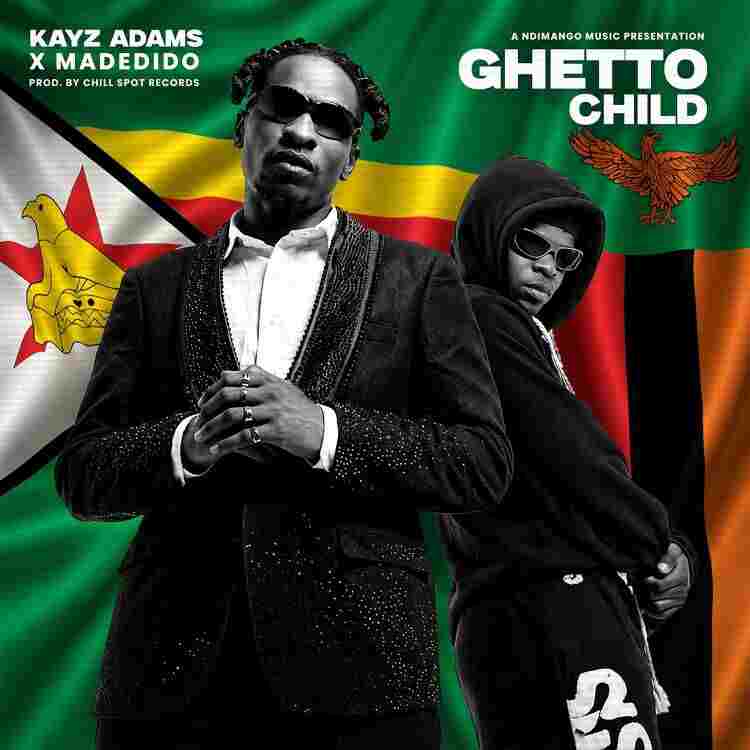
On The Boogeyman, Jemax’s “Mpawi” featuring Jae Cash and Kayz Adams demonstrated another side of collaboration: fanbase merging.
The record worked not only because of chemistry, but because it combined multiple audience communities into one release cycle. In today’s streaming environment, that kind of collaborative reach has become extremely valuable.
You may also like:
- Jemax Ft. Jae Cash & Kayz Adams – Mpawi
- Kayz Adams artist profile
- Apa ili So Entertainment explained
- Zambian Hip-Hop Collaborations That Changed The Industry
4. Labels Accelerated the Collaboration Culture
The emergence of organized labels and distribution structures played a major role in pushing collaborations further.
Companies like Nexus Music Entertainment and KMP adopted a roster-driven strategy, frequently pairing artists together to maximize visibility across multiple audiences.
One of the earliest examples of this structure can be traced back to KB Killa Beats and the My Diary compilation series under K-Amy.
Projects such as My Diary 5 brought together names like:
- Slapdee
- Cleo Ice Queen
- Neo Slayer
- Shimasta
These compilations helped normalize collaboration across different artist circles long before it became the dominant industry model.
At the same time, Nexus Music demonstrated how pairing rappers with melodic artists could dramatically increase replay value and streaming reach, particularly through crossover hits involving Yo Maps.
Further reading:
- KB Killa Beats career profile
- Yo Maps collaborations ranked
- Nexus Music’s impact on Zambian music
- Neo Slayer artist profile
5. The “Riddim” Era Changed Community Recording
Another major development in 2026 has been the rise of riddim culture, heavily inspired by Jamaican dancehall traditions.
Projects such as the WYFL Riddim series transformed collaboration into a community-driven format where multiple artists record over the same instrumental.
This format lowered barriers for emerging artists while increasing exposure opportunities.
An upcoming artist from a smaller town could suddenly appear within the same musical conversation as larger names, creating a stronger sense of scene-wide participation rather than isolated competition.
That communal energy is part of what has made records connected to the riddim movement feel more alive and socially connected.
Suggested reads:
- WYFL Riddim 2026 Explained
- Original Bukasa – Njenjema Review
- Dancehall Influence on Modern Zambian Music
- Trending Zambian Songs This Month
6. Streaming Algorithms Reward Collaboration
The business logic behind collaboration is now impossible to ignore.
Modern streaming platforms reward interconnected artist ecosystems.
When artists collaborate, their audiences begin overlapping inside recommendation systems. A listener engaging with Chile One Mr Zambia may suddenly discover a Jemax feature through autoplay recommendations or suggested content.
That creates discovery loops that benefit both artists simultaneously.
Collaborations also reduce production risk. Music videos, rollout campaigns, and promotional costs can now be shared between multiple artists while still reaching larger combined audiences.
This is one reason modern Zambian visuals have become more polished compared to earlier eras dominated by isolated independent releases.
Related content:
- Chile One Mr Zambia artist profile
- How Streaming Changed Zambian Music
- Most Viewed Zambian Music Videos 2026
- Do Collaborations Help Zambian Artists Grow?
7. Conclusion: The Industry Has Entered a New Era
As the Zambian music industry continues evolving through 2026, one thing has become increasingly clear: collaboration is no longer optional — it is part of the industry’s foundation.
The culture has moved beyond the era where rivalries alone defined relevance. Today, some of the country’s biggest records succeed because they combine multiple voices, audiences, and creative energies into one shared moment.
Whether it is a reflective family-centered song or a high-energy street anthem, the strongest records in modern Zambian music increasingly share one common feature: collective effort.
Zambian hip-hop is no longer operating as isolated camps. It is gradually becoming a connected creative ecosystem with the potential to push local music far beyond national borders.
More from ZambianMag:
- The Evolution of Yo Maps
- Top 10 Most Influential Zambian Rappers
- How Zambian Music Is Reaching International Audiences
- The Rise of Independent Artists in Zambia