












Why Cross-Border Collaborations are the New Passport for Zambian Music

Beyond the Border: Why Cross-Border Collaborations are the New Passport for Zambian Music
For decades, the Zambian music industry operated within a self-sustaining but often isolated space. Success was usually measured locally: how many streets in Lusaka were blasting your latest record, or how many Copperbelt clubs had your track on repeat. While this created a loyal domestic audience, many artists still struggled to expand their reach beyond Zambia consistently.
As we move through 2026, that pattern is gradually changing. The “local hero” era is increasingly shifting toward a more regional mindset. In this new landscape, cross-border collaborations are no longer just optional features — they are becoming one of the most effective ways for Zambian music to enter larger African conversations.
The Psychology of the Regional Handshake
To understand why these collaborations work so effectively, it’s important to look at how African music audiences consume music today.
In the past, a Zambian artist featuring a Nigerian or South African star was often viewed mainly as a validation move — proof that the local artist had reached a certain level of recognition.
Today, the dynamic feels different.
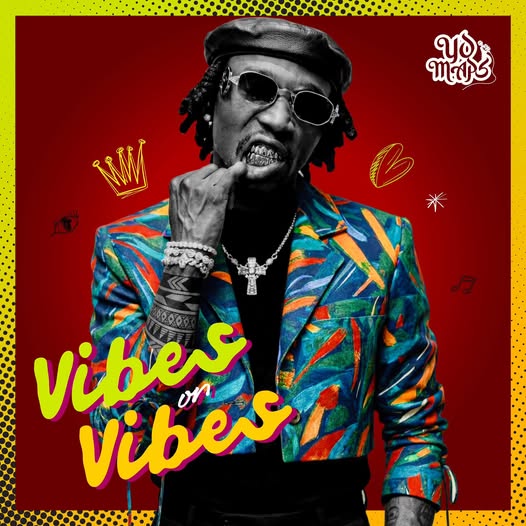
When Yo Maps collaborates with Malawian artists like Driemo or Eli Njuchi, the result is not just a musical collaboration; it becomes a connection between audiences with similar cultural and regional sensibilities.
This creates what can best be described as an audience trust transfer.
Listeners who already connect with one artist become more open to embracing the collaborator as well. By the time the song reaches radio stations or streaming playlists in another country, the audience already feels partially connected to the release.
That lowers the barrier for expansion significantly.
The Amapiano Bridge and South African Synergy
Zambia’s proximity to South Africa has always influenced local listening culture, but recent collaborations suggest that the relationship is becoming more reciprocal.
Projects involving artists connected to Amapiano and Afro-house continue to create new pathways for Zambian music visibility across the region.
The rise of “Ndilira Mumvula” by Zeze Kingston featuring Yo Maps, HarryCane, and Leumas reflects how Zambian vocal styles are increasingly blending into genres already performing strongly across African and international streaming spaces.
These collaborations work because they combine familiar regional sounds with distinct local vocal identity, allowing Zambian artists to enter wider conversations without abandoning what makes their music recognizable.
Strategic Credibility Beyond Zambia
Cross-border collaborations are not only about audience reach — they also affect perception.
When artists from different countries collaborate successfully, they indirectly validate each other’s creative standards and market relevance.
For example, Chef 187 appearing alongside Skales on “Coordinate” signals that Zambian hip-hop artists can comfortably exist within broader African music spaces while maintaining their own style and lyrical identity.
These moments matter because they gradually shift how international audiences, promoters, and industry figures view Zambian music overall.
Instead of being treated purely as a local scene, the industry begins appearing more integrated into the wider African music ecosystem.
The Algorithmic Advantage
Modern music discovery is heavily influenced by digital platforms.
Streaming services such as Spotify, YouTube, Audiomack, and Apple Music increasingly rely on recommendation systems built around listener behavior and artist association.
When a Zambian artist collaborates with a larger regional artist like Harmonize, the collaboration creates a digital connection between both audiences.
This can increase:
- recommendation overlap
- playlist visibility
- algorithmic discovery
- long-term audience crossover
In many cases, the impact continues well beyond the song’s initial release period.
For listeners who may never have actively searched for Zambian music before, collaborations often become the first point of discovery.
The Economic Reality Behind Collaborations
There is also a practical business side to this trend.
Touring across African countries can be expensive and risky for independent artists attempting to build audiences alone in unfamiliar markets.
Collaborations help reduce that challenge by creating existing audience anchors in different regions.
A successful regional song can open opportunities for:
- shared bookings
- festival appearances
- collaborative tours
- larger promotional campaigns
In that sense, collaborations function as more than creative partnerships — they become strategic business relationships that can benefit everyone involved.
A Future Without Creative Borders
As African music industries continue becoming more digitally connected, collaborations are likely to become even more important for artists seeking long-term growth.
The artists who may shape the next phase of Zambian music are not necessarily those focused only on dominating local spaces, but those capable of building meaningful connections across regional audiences while maintaining their identity.
Cross-border collaborations are helping Zambian music travel further, adapt to wider audiences, and participate more actively in continental music conversations.
And in many ways, that shift may become one of the defining stories of Zambia’s music industry over the next few years.
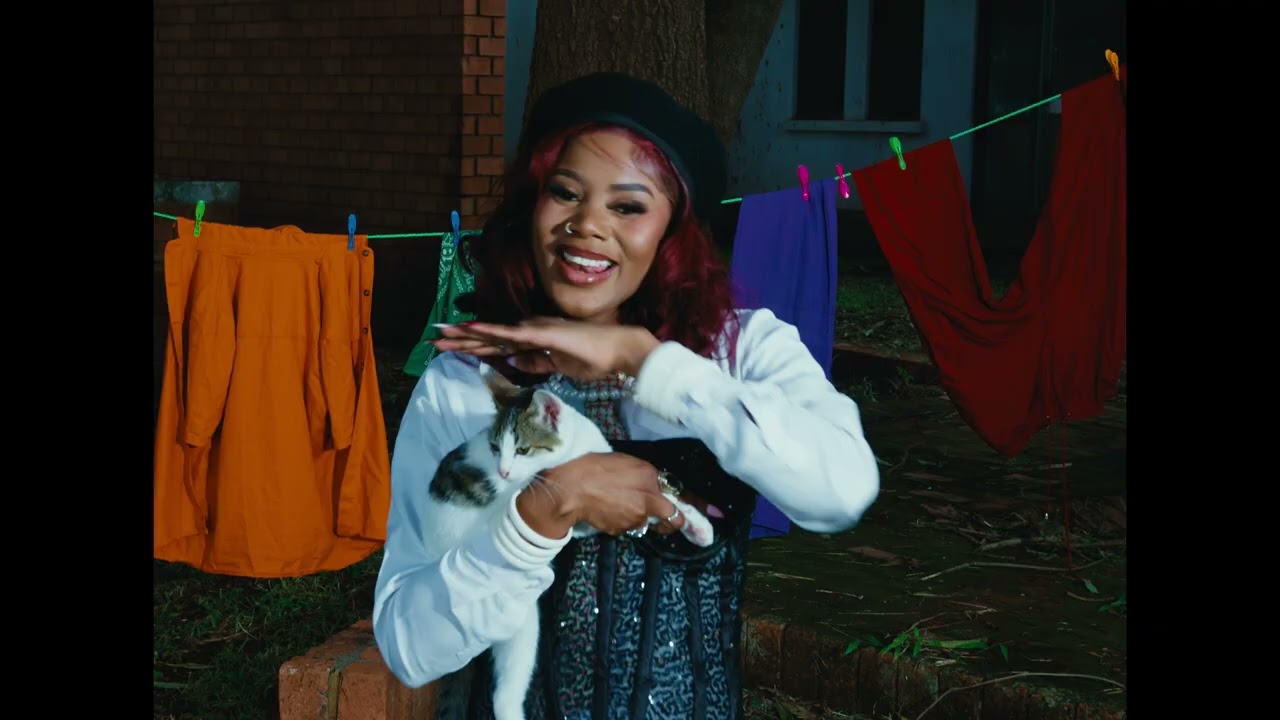
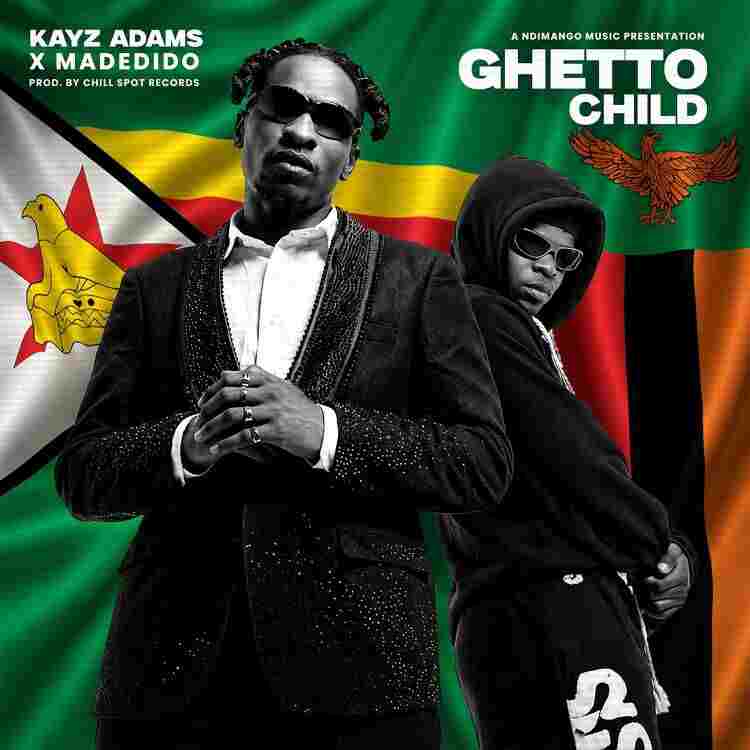
This video is a prime example of the 2026 cross-border collaboration trend discussed in the editorial, featuring two of the region’s biggest stars.
Frequently Asked Questions (FAQ)
Why are cross-border collaborations becoming more common in Zambian music?
Cross-border collaborations are becoming more common because artists now rely heavily on streaming platforms, digital visibility, and audience expansion. Working with artists from other countries helps musicians reach new listeners faster while strengthening regional recognition.
Which Zambian artists have collaborated with international artists recently?
Several Zambian artists have recently worked with regional and international names. Yo Maps has collaborated with artists such as Harmonize and Driemo, while Chef 187 has appeared on records with artists like Skales.
Do collaborations help Zambian artists grow internationally?
Yes. Collaborations can help artists gain visibility in new markets by exposing their music to different fanbases, streaming audiences, playlists, and regional media spaces. They also increase the chances of international discovery through music recommendation systems on platforms like YouTube and Spotify.
Why does South Africa influence many Zambian collaborations?
South African music — especially Amapiano and Afro-house — has a strong influence across Southern Africa, including Zambia. Because of geographic proximity and shared listening trends, collaborations between Zambian and South African artists often feel natural to regional audiences.
Are collaborations only beneficial for big artists?
No. Emerging artists can benefit significantly from collaborations because they gain exposure to larger or different audiences. Many upcoming musicians use collaborations as a way to build recognition faster within competitive music spaces.
Do collaborations affect music streaming performance?
Collaborations can improve streaming visibility because songs connected to multiple artists are more likely to appear in recommendations, playlists, and audience feeds. They also encourage fanbase crossover, which can increase engagement across platforms.
Are cross-border collaborations changing the Zambian music industry?
Yes. Cross-border collaborations are helping position Zambian music within broader African music conversations. They are also encouraging more regional networking, shared performances, and industry partnerships beyond Zambia alone.