








Yo Maps vs Chile One Mr Zambia: Who Is Really Dominating Zambian Music in 2026?
The history of the Zambian music industry has always been shaped by defining eras where...

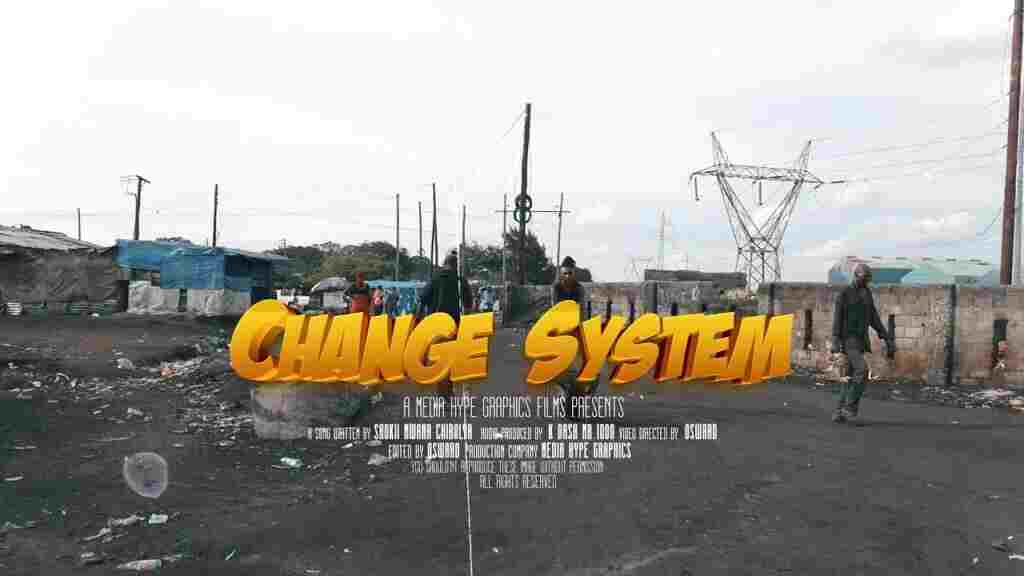
The conversation around Shokii Mwana Chibolya has often focused on one thing: speed. His music has built a reputation around raw delivery, fast-paced flows, and the kind of street energy that immediately connects with listeners from compounds like Chibolya and beyond. But with “Change System,” released in mid-May 2026, the rapper takes a slightly different route.
Instead of relying purely on rapid-fire momentum, the track shows a more controlled version of Shokii—one that prioritizes clarity without losing the street identity that built his name.
One of the first things noticeable about “Change System” is the pacing. Compared to records like “Zezele” and “Why So,” the delivery here feels more measured. The bars are still aggressive in tone, but the structure gives listeners more room to absorb what he’s actually saying.
That adjustment matters.
For a long time, conversations around street rap in Zambia have included one recurring criticism: energy sometimes overshadows lyrical clarity. On this track, Shokii proves those two things do not have to compete with each other. The song keeps its compound-rooted intensity while sounding far more organized and intentional.
Stream the official music video for Change System below
Producer K Dash avoids overcomplicating the instrumental. Instead of pushing heavy bass overloads or chaotic transitions, the beat stays steady and controlled throughout the track.
The Afro-trap influence is present, but the production leaves enough space for Shokii’s voice to remain the center of attention. That decision becomes important because “Change System” depends heavily on vocal presence and delivery rather than flashy beat switches.
The cleaner mix also helps bring out the grit in Shokii’s tone without making the record feel overcrowded.
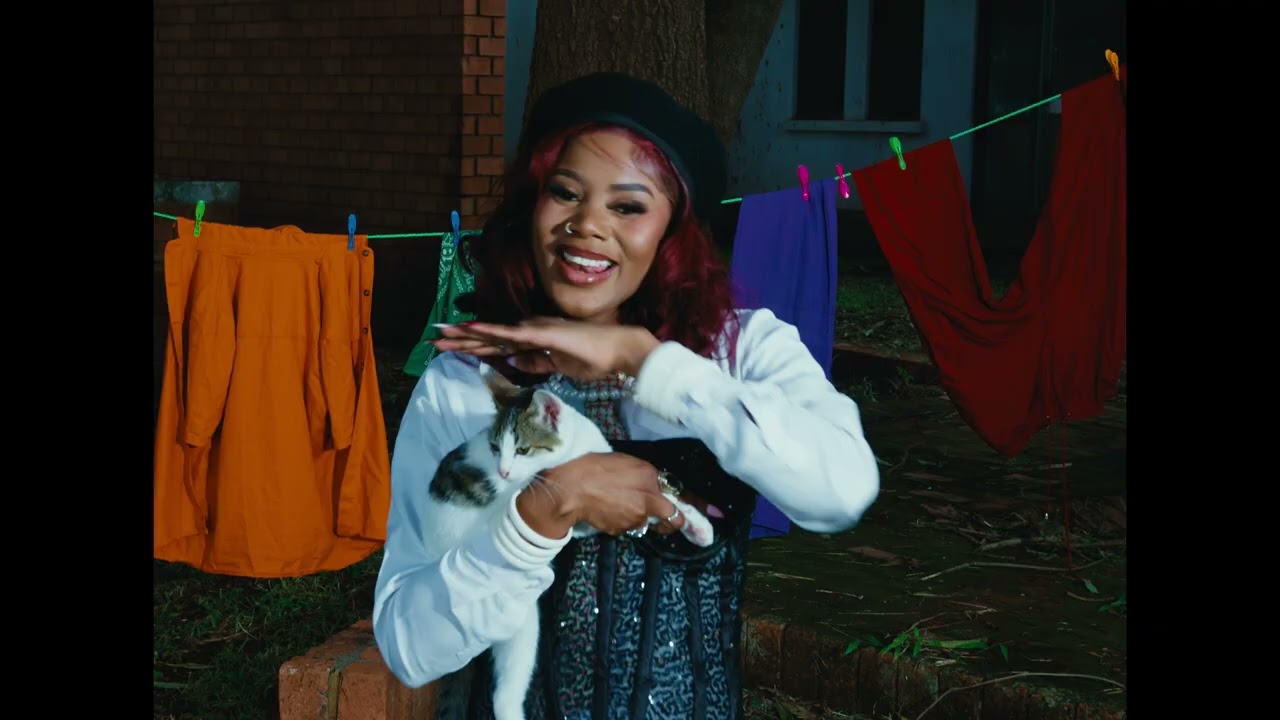
Directed by Director Osward, the official video follows the same disciplined approach as the audio.
Rather than leaning entirely on crowded street performance scenes, the visuals balance outdoor environments with more structured framing and controlled lighting setups. The styling also reflects an artist moving toward a broader mainstream presentation while still keeping his street background visible.
Nothing about the visuals feels random. The presentation supports the title and overall direction of the song.
More than just another release, “Change System” feels like an important step in Shokii’s progression as an artist.
The song shows an understanding that growth in Zambia’s rap scene is not only about energy or authenticity. It is also about communication, structure, and consistency. Instead of abandoning his roots, Shokii refines them into something more accessible without diluting the identity that made people pay attention in the first place.
That balance is what gives the record its real value in 2026.








The history of the Zambian music industry has always been shaped by defining eras where...

Back in the early 2010s, the Zambian hip-hop landscape was a battlefield. It was a...

After weeks of growing anticipation across social media, Muzo Aka Alphonso and Kanizi have officially...

The Konde Connection, Which Harmonize x Zed Collaboration Hit Hardest? In recent years, the connection...

As Zambia’s music industry continues shifting deeper into the streaming era, success is no longer...

Beyond the Border: Why Cross-Border Collaborations are the New Passport for Zambian Music For decades,...
Do Collaborations Help Zambian Artists Grow? A Real Look at Features, Fanbases, and Industry Growth...
The Zambian music industry has transitioned from a loose collection of performers into a high-stakes...

TikTok is reshaping Zambian music from the inside out. Discover how viral trends, short-form videos,...

Beyond the charts: An authentic look at the most popular music in Zambia. We analyze...