











What is the most popular music in Zambia?

What Is the Most Popular Music in Zambia? A Deep-Dive into the Sound of a Nation (2026 Edition)
Music in Zambia is more than a pastime; it is a primary mode of storytelling, a form of economic survival, and the most accessible way to document the “One Zambia, One Nation” identity. If you look at the charts in early 2026, you will see a fascinating struggle between the melodic giants of Zed-Pop, the cultural weight of Gospel, and the disruptive energy of Street-Hop.
I. The Reign of Melodic Afro-Pop (Zed Beats)
If there is a “national sound” in 2026, it is Zed Beats. This genre is the direct evolution of early 2000s R&B-influenced Zambian music, but it has been polished for the global stage.
The Yo Maps Phenomenon
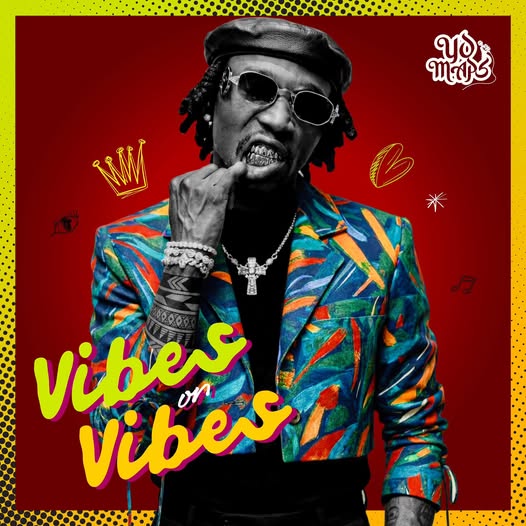
You cannot discuss popularity in Zambia without discussing Yo Maps. In 2026, he remains the gold standard for success. His ability to blend soulful Bemba lyrics with high-production value has made him a household name. Tracks like “Sotambe” and his collaborations with artists like Frank Ro dominate the Boomplay and YouTube charts, proving that melodic relatability is the most profitable currency in the country.
The Rise of Driemo
If Yo Maps is the king, Driemo MW is the crown prince. In 2026, Driemo successfully tapped into the Zambian listener’s “emotional intelligence”. His songs—often focusing on love, heartbreak, and resilience—have a high “replay value.” His track “Joker” and the collaborative hit “Ninvera So” (featuring Yo Maps) are benchmarks for what 2026 pop sounds like: clean, melodic, and deeply Zambian.
II. The Gospel Music Powerhouse: Zambia’s Spiritual Bedrock
While pop music grabs the headlines, Gospel music is arguably the most consistent genre across all 10 provinces. In Zambia, Gospel isn’t just for Sundays; it is the soundtrack to everyday life, played in public transport (minibuses), marketplaces, and homes.
The Leaders of the 2026 Movement
The 2026 Gospel charts are dominated by artists who balance traditional worship with modern production:
- Reuben Katiyo: His song “Lesa Sumbulweni” has become a modern anthem, staying in the top 5 of the Boomplay Gospel charts for months.
- Titus De Psalmist: Known for his powerful vocals and traditional influences, Titus bridges the gap between the older generation and the youth.
- The Promise Zambia: A group that has brought a sophisticated, choral energy back to the mainstream with hits like “Nkule.”
Gospel’s popularity is fueled by a loyal, non-fickle fan base. While pop fans might move to the next trend, Gospel fans provide a stable revenue stream for artists through physical event tickets and digital support.
III. Hip-Hop and the “Street” Narrative
Zambian Hip-Hop is currently in a state of high-octane evolution. It has moved away from trying to imitate American “Trap” and has leaned heavily into Street-Pop and Lyrical Bemba Rap.
The Lyrical Heavyweights: Chef 187 and Slapdee
The rivalry—and mutual respect—between Chef 187 and Slapdee continues to define the genre’s prestige. Chef 187, often called the “Kopala King,” remains the benchmark for storytelling. His influence on the Copperbelt ensures that street-level popularity remains high.
The 2026 Disruptors: JEMAX and Jae Cash
In the current 2026 landscape, JEMAX is a dominant force. His ability to bridge the gap between “hardcore rap” and “club bangers” is seen in tracks like “Mpawi” and “One Day.” Alongside Jae Cash, these artists have mastered the art of “Street Relatability”—writing songs about the hustle, the struggle, and the celebration of making it out of the ghetto.
IV. The Technical Shift: From Radio to TikTok
In 2026, the definition of “popular” is heavily influenced by digital algorithms. The Helpful Content logic that applies to articles also applies to music: the more “useful” (relatable or danceable) a song is, the more it spreads.
The TikTok “Log-Drum” Effect
TikTok has become the unofficial A&R of the Zambian music industry. A song like Vinchenzo M’bale’s “Cheers To The Good Times” became a national hit not just because of radio play, but because it provided the perfect audio backdrop for TikTok challenges.
Streaming Stats (2026 Estimates)
| Platform | Primary Use in Zambia | Leading Genres |
| Boomplay | Music Discovery & Charts | Pop, Gospel, Hip-Hop |
| YouTube | Music Videos & Visuals | Zed Beats, Street-Pop |
| Spotify | Urban/International Listeners | Amapiano, Afro-soul |
| TikTok | Viral Trends & Challenges | Dance, Up-tempo Pop |
V. The Cultural Soul: Kalindula and the Zamrock Legacy
While the youth focus on modern beats, 2026 has seen a quiet but significant “Heritage Revival.”
Kalindula’s Modern Influence
Modern artists like Chile One Mr Zambia, and Yo Maps are increasingly sampling Kalindula rhythms. This fusion ensures that the music remains “authentically Zambian.” Using live instrumentation—like the traditional bass—in modern studio sessions has given 2026 music an organic warmth that purely electronic music lacks.
The Zamrock Global Resurgence
The “Zamrock” movement of the 1970s (led by WITCH and Amanaz) has seen a massive international comeback. While it may not be the “most popular” in local clubs today, it is Zambia’s most prestigious cultural export in 2026, with international tours and reissues introducing a whole new global audience to the fuzzy, psychedelic sounds of Lusaka.
VI. Why It Matters: The Socio-Economic Impact
Popular music in Zambia is a major driver of the local economy. In 2026, the music industry is no longer just “entertainment”; it is a professionalized sector.
- Job Creation: From producers like Mr. Stash and KB to video directors and digital marketers, the ecosystem supports thousands of young Zambians.
- Corporate Synergy: Brands like MTN and Airtel now rely on the popularity of artists like Yo Maps or Chef 187 to sell products, making music popularity a key metric for corporate marketing budgets.
Final Verdict: What is the Most Popular?
If you look at the data for 2026:
- By Digital Streams: Melodic Afro-pop (Yo Maps, Driemo) wins.
- By Cultural Influence: Hip-Hop (Chef 187, JEMAX) wins.
- By Mass Attendance and Consistency: Gospel wins.
Zambia’s music scene is a beautiful, loud contradiction. It is a country where you can hear a high-energy Amapiano beat in a bar, followed immediately by a soulful Gospel worship song, and see the same crowd sing along to every word of both. That is the true heart of Zambian music.
Research Notes & References
- Charts based on Boomplay Top 100 (Zambia) April/May 2026.
- Streaming growth data sourced from IFPI Sub-Saharan Africa Report (2025/2026 update).
- Cultural analysis based on current trends in Lusaka and Copperbelt urban centers.