










Dizmo Ft. Kay Joe & T Sean-Who I Am (Music Video)

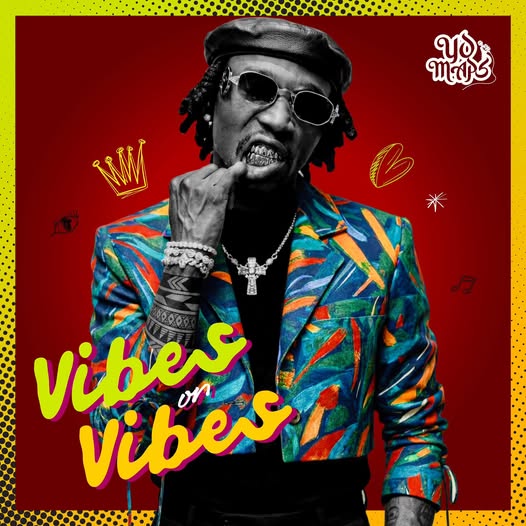
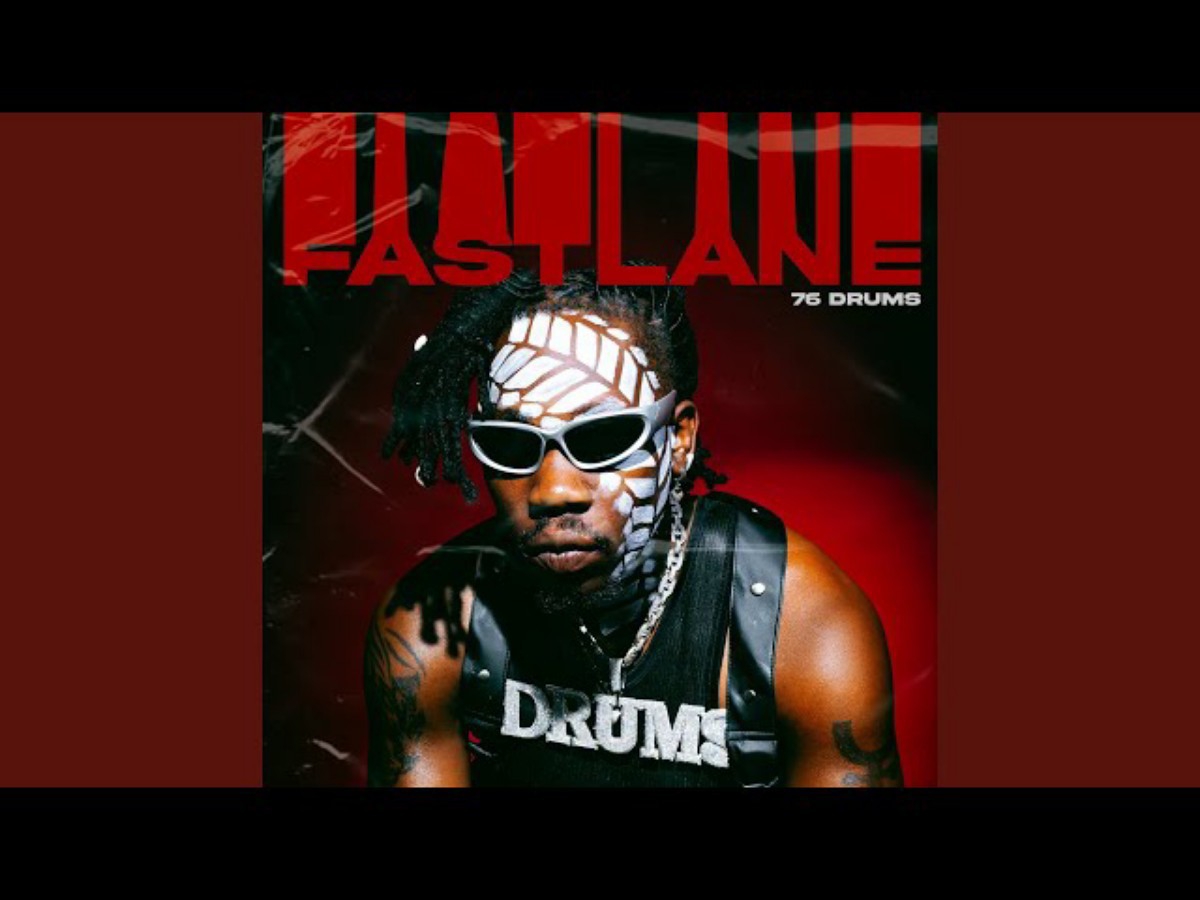
The evolution of modern Zambian hip-hop, certain records go beyond being just album tracks—they become reference points for an artist’s identity. One of those records is “Who I Am” by Dizmo, featuring T-Sean and Kay Joe, from his 2022 project Ghetto 2 Mayadi.
Rather than relying on hype-driven delivery, the song positions itself as a reflective statement piece, where Dizmo breaks down his journey, mindset, and the realities that shaped his rise in the Zambian music space.
From today’s 2026 perspective, the record still holds relevance because of how it captures a familiar theme in Zambian hip-hop: the transition from street identity to mainstream recognition, without losing authenticity.
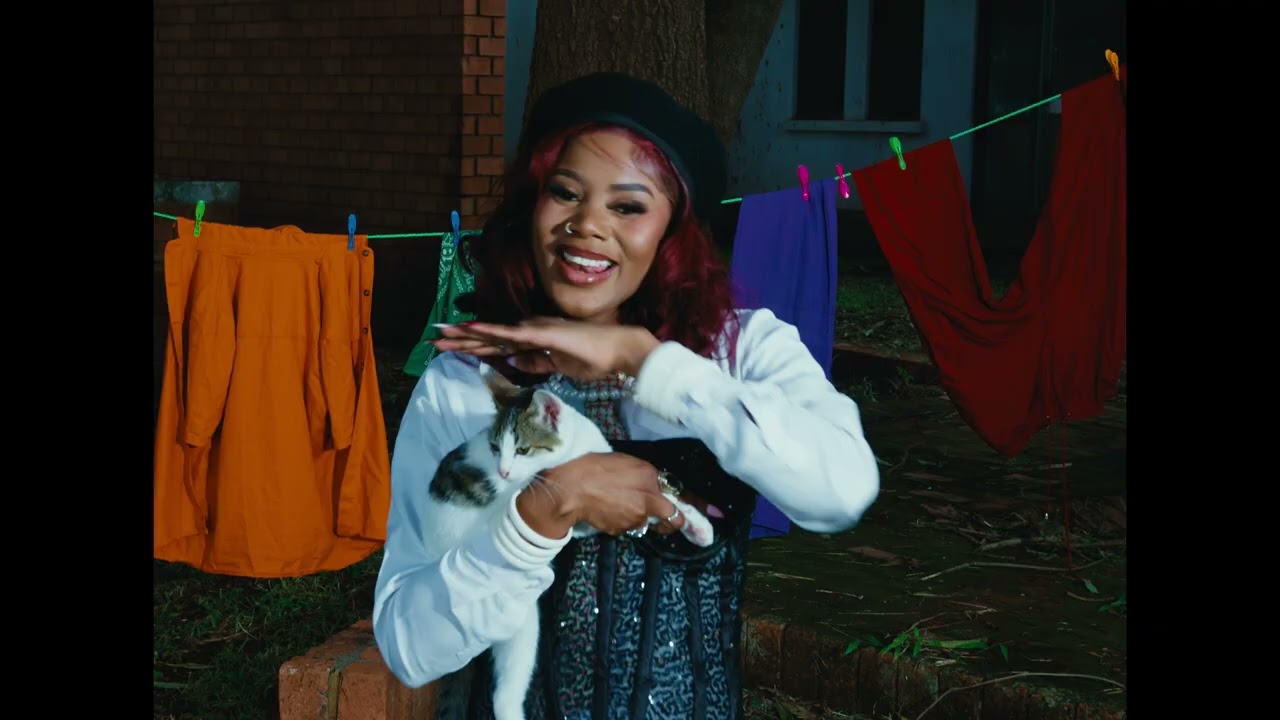
Stream Dizmo Ft. Kay Joe & T Sean-Who I Am below from YouTube
1. Collaboration That Balances Emotion and Street Energy
The strength of “Who I Am” lies in how the three contributors complement each other. Dizmo carries the record with his signature storytelling approach, staying grounded in real-life experiences and street reflection. His verses focus on identity, growth, and the tension between where he comes from and where he is headed.
T-Sean brings the melodic foundation of the track. His hook adds emotional weight and smoothness, helping the song connect beyond hip-hop audiences and into Afro-pop listeners as well.
Kay Joe adds a rap layer that reinforces the street perspective of the record, keeping the song anchored in its hip-hop foundation. Together, the collaboration creates balance—rap, melody, and street energy all working within one narrative.
2. Lyrical Theme: Identity, Growth, and Pressure
At its core, “Who I Am” is built around self-definition.
Dizmo uses the record to reflect on:
- Personal growth from street life to recognition
- The pressure of maintaining authenticity in success
- The expectations placed on artists once they gain visibility
Rather than presenting fame as a destination, the song frames it as a challenge—where identity can easily shift if not carefully protected.
This is one of the reasons Ghetto 2 Mayadi continues to be referenced in discussions about Dizmo’s early defining body of work.
3. Production and Sound Direction
The production is intentionally minimal, allowing the vocals and message to take priority.
The beat is structured around:
- Clean drum patterns
- Space-heavy instrumentation
- A balance between hip-hop grit and melodic softness
This production choice supports the message of the song—keeping attention on lyrics rather than overpowering the delivery.
4. Legacy and Relevance in Today’s Zambian Hip-Hop
Even years after its release, “Who I Am” still fits into conversations around identity-driven hip-hop in Zambia.
The record helped reinforce a creative formula that has since become common in the industry:
- A strong rapper carrying the narrative
- A melodic hook to expand audience reach
- A supporting verse to deepen lyrical context
This structure has become a recognizable blueprint in modern Zambian collaborations.
More importantly, it helped solidify Dizmo as an artist capable of balancing street credibility with mainstream appeal, a balance that continues to define his career direction.
Final Take
“Who I Am” remains one of the more reflective entries in Ghetto 2 Mayadi, standing out not because of commercial positioning, but because of its message-driven approach.
With contributions from T-Sean and Kay Joe, the record builds a complete narrative around identity, growth, and the realities of success in Zambian hip-hop.
It is a reminder that beyond trends and streaming cycles, Zambian rap still thrives when artists speak directly from experience rather than formula.Dizmo – “Who I Am” ft T-Sean & Kay Joe: A Defining Moment in Ghetto 2 Mayadi
In the evolution of modern Zambian hip-hop, certain records go beyond being just album tracks—they become reference points for an artist’s identity. One of those records is “Who I Am” by Dizmo, featuring T-Sean and Kay Joe, from his 2022 project Ghetto 2 Mayadi.
Rather than relying on hype-driven delivery, the song positions itself as a reflective statement piece, where Dizmo breaks down his journey, mindset, and the realities that shaped his rise in the Zambian music space.
From today’s 2026 perspective, the record still holds relevance because of how it captures a familiar theme in Zambian hip-hop: the transition from street identity to mainstream recognition, without losing authenticity.
1. Collaboration That Balances Emotion and Street Energy
The strength of “Who I Am” lies in how the three contributors complement each other.
Dizmo carries the record with his signature storytelling approach, staying grounded in real-life experiences and street reflection. His verses focus on identity, growth, and the tension between where he comes from and where he is headed.
T-Sean brings the melodic foundation of the track. His hook adds emotional weight and smoothness, helping the song connect beyond hip-hop audiences and into Afro-pop listeners as well.
Kay Joe adds a rap layer that reinforces the street perspective of the record, keeping the song anchored in its hip-hop foundation. Together, the collaboration creates balance—rap, melody, and street energy all working within one narrative.
2. Lyrical Theme: Identity, Growth, and Pressure
At its core, “Who I Am” is built around self-definition.
Dizmo uses the record to reflect on:
- Personal growth from street life to recognition
- The pressure of maintaining authenticity in success
- The expectations placed on artists once they gain visibility
Rather than presenting fame as a destination, the song frames it as a challenge—where identity can easily shift if not carefully protected.
This is one of the reasons Ghetto 2 Mayadi continues to be referenced in discussions about Dizmo’s early defining body of work.
3. Production and Sound Direction
The production is intentionally minimal, allowing the vocals and message to take priority.
The beat is structured around:
- Clean drum patterns
- Space-heavy instrumentation
- A balance between hip-hop grit and melodic softness
This production choice supports the message of the song—keeping attention on lyrics rather than overpowering the delivery.
4. Legacy and Relevance in Today’s Zambian Hip-Hop
Even years after its release, “Who I Am” still fits into conversations around identity-driven hip-hop in Zambia.
The record helped reinforce a creative formula that has since become common in the industry:
- A strong rapper carrying the narrative
- A melodic hook to expand audience reach
- A supporting verse to deepen lyrical context
This structure has become a recognizable blueprint in modern Zambian collaborations.
More importantly, it helped solidify Dizmo as an artist capable of balancing street credibility with mainstream appeal, a balance that continues to define his career direction.
Final Take
“Who I Am” remains one of the more reflective entries in Ghetto 2 Mayadi, standing out not because of commercial positioning, but because of its message-driven approach.
With contributions from T-Sean and Kay Joe, the record builds a complete narrative around identity, growth, and the realities of success in Zambian hip-hop.
It is a reminder that, beyond trends and streaming cycles, Zambian rap still thrives when artists speak directly from experience rather than formula.