








How Booking Fees Work for Artists in Zambia: The 2026 Industry Blueprint
The Zambian music industry has transitioned from a loose collection of performers into a high-stakes commercial ecosystem. In 2026, artists are no longer just entertainers; they are corporate-aligned brands and revenue-generating assets. Whether it is a high-profile wedding in Kabulonga, a corporate gala in the Lusaka CBD, or a massive festival on the Copperbelt, the process of securing talent has become a professionalized system governed by demand, branding, and contractual complexity.
But for promoters, corporate entities, and fans, the core question remains: How do booking fees actually work in the modern Zambian market?
This comprehensive guide deconstructs the mechanics behind artist pricing, the rise of the “performance rider,” and the economic forces currently driving the “Paycheck Revolution.”
1. Defining the Booking Fee in 2026
In the professional tier of the Zambian industry, a booking fee is not a “salary” for a singer; it is a commercial license to utilize an artist’s brand and time.
What the Fee Covers:
- Performance Rights: The legal permission to have the artist perform their intellectual property (songs) at your event.
- Opportunity Cost: Compensation for the time the artist is “blocked” from performing elsewhere.
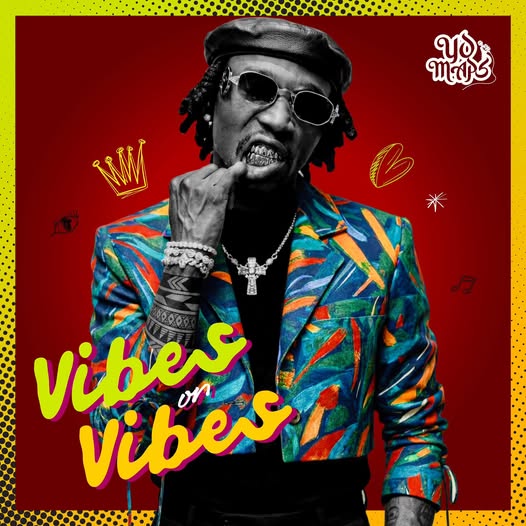
- The “Team” Ecosystem: Top-tier acts like Yo Maps or Chef 187 do not travel alone. A standard booking fee covers the salaries of a manager, road manager, DJ, dancers, and security detail.
- Brand Association: The prestige of having a national icon associated with your event or product.
2. The Anatomy of a 2026 Performance Contract
Professionalism in 2026 is defined by the Contract Addendum, commonly known as the “Rider.” If you are booking a mid-to-top-tier Zambian artist, the fee is only one part of the legal agreement.
The Technical Rider (The Blueprint)
The technical rider ensures the show actually happens. It is a functional manual for the venue’s sound engineers.
- Backline Requirements: A list of specific equipment (mixers, microphones, monitors) the venue must provide.
- Stage Plot: A visual diagram of where the artist and team will stand.
- Power & SFX: Requirements for pyrotechnics, CO2 cannons, or specific lighting rigs that are now standard for high-end Zambian performances.
The Hospitality Rider (The Comfort)
To ensure the artist performs at their peak, hospitality riders specify local logistics:
- Transportation: Usually specified as a minimum of two high-end SUVs (often 4x4s for travel outside Lusaka).
- Accommodation: Minimum 4-star or 5-star hotel requirements for the “A-Party” (Artist and Manager).
- Catering: Specific dietary needs and a “Green Room” inventory of refreshments.
3. The Economic Drivers of Pricing
Zambian artist fees are not random; they are influenced by three specific economic factors unique to the 2026 landscape.
A. The “Digital-to-Dollar” Pipeline
Platforms like Boomplay and YouTube now serve as the primary valuation tools. A “viral” song in 2026 translates directly to a 20–30% increase in booking fees within 48 hours. If an artist’s streaming numbers are spiking, their manager has the “data-backed” leverage to demand higher rates.
B. Inflation and Music Value
Despite a stabilizing annual inflation rate (hitting 7.1% in early 2026), the cost of touring has increased. Fuel, international-standard equipment rentals, and specialized security have forced artists to raise their “base” rates to maintain profitability.
C. The Political Premium
Zambia’s unique political culture plays a massive role in the music economy. During campaign cycles or national events, artists often see a “Political Premium.”
- Exclusivity Fees: Political brands may pay triple the standard rate to ensure an artist does not perform for a rival party during the same month.
- Mobilization Value: Artists are paid for their ability to draw “crowds,” not just for their musical talent.
4. Typical Booking Fee Tiers (2026 Industry Standard)
While negotiation is always part of the process, the industry has settled into these functional price brackets:
| Tier | Category | Fee Range (ZMW) | Profile Example |
| Elite Tier | National Icons | K150,000 – K350,000+ | Top 5 Artists (Yo Maps, Macky 2, etc.) |
| Growth Tier | Viral/Mid-Level | K50,000 – K120,000 | Artists with current radio hits |
| Emerging Tier | New Talent | K5,000 – K25,000 | Breakout artists, local favorites |
| Specialized Tier | Gospel/Jazz | K30,000 – K100,000 | High-end corporate/niche appeal |
5. Case Study: Why Corporate Bookings Pay More
A common observation on blogs like ZambianMag is that corporate events pay significantly more than club shows. Why?
- Professional Liability: Corporate events require Tax Invoices, TPINs, and formal contracts. Artists charge a premium for the administrative “paperwork” and tax compliance.
- Brand Alignment: A bank or telecom company is not just buying a song; they are buying a “brand endorsement” for their corporate image.
- Audience Control: Corporate shows are often “clean” and highly controlled, requiring the artist to modify their setlist or behavior to fit a professional environment.
6. The Rise of the Booking Agency
In the past, you would call an artist’s “cousin” to book them. In 2026, the Booking Agency model has taken over.
- Professional Intermediaries: Agencies like ACE Music or local management firms handle the negotiations.
- Escrow Systems: Payments are now often held in “escrow” (a neutral account) until the artist arrives at the venue, protecting both the promoter and the musician.
7. The Future: Performance-Based Pricing
As we move deeper into 2026, we are seeing the emergence of “Hybrid Fees.”
Instead of a flat fee, top Zambian artists are beginning to ask for a Base Fee + Gate Percentage. This means if the artist helps the promoter sell out the stadium, they get a bonus. This “Skin in the Game” model is the ultimate evolution of the Zambian music business.
Frequently Asked Questions (FAQ)
1. Who is the highest-paid artist for a single performance in Zambia?
As of mid-2026, Yo Maps and Chef 187 consistently command the highest individual performance fees. For major corporate launches or headline festival slots, these artists can command between K250,000 and K350,000. However, the “highest-paid” title can shift depending on exclusive brand endorsement deals signed throughout the year.
2. Why do artists charge more for corporate events than for club appearances?
Corporate bookings require a higher level of professional accountability, including TPIN-compliant invoicing, tax obligations, and often a more demanding “Technical Rider.” Additionally, corporate entities pay a premium for the brand alignment and the professional conduct expected during the event.
3. Do booking fees include travel and accommodation?
Typically, no. In the 2026 Zambian music market, the booking fee is for the performance only. The promoter or event organizer is usually responsible for “logistics,” which include 4×4 transport, 4 or 5-star hotel accommodations for the artist’s core team, and catering as specified in the Hospitality Rider.
4. Can I negotiate a booking fee with a top Zambian artist?
Most booking fees are “starting points” for negotiation. However, top-tier artists managed by professional agencies often have a “Floor Price”—a minimum amount they will not go below to protect their market value. Negotiation is more flexible for “emerging” or “growth-tier” artists looking to expand their reach.
5. How has streaming impacted booking fees in 2026?
Streaming data from platforms like Boomplay and YouTube acts as a “live currency.” High streaming numbers provide managers with the data needed to justify fee increases. If an artist has a song trending at #1 on the Zambian charts, their booking fee will often increase immediately to reflect that peak in demand.
6. What happens if an artist fails to show up after payment?
Modern 2026 contracts include a Refund & Indemnity Clause. If an artist fails to perform due to reasons other than “Force Majeure” (uncontrollable events like natural disasters), they are legally required to refund the deposit and, in some cases, compensate the promoter for marketing losses.
7. Why is there no “official” price list for Zambian musicians?
The music industry is a free-market economy. Prices are determined by market sentiment, current hits, and seasonal demand. For example, fees during the “festive season” (December) or “election cycles” are significantly higher than during the quiet months of February or March.