









Do Collaborations Help Zambian Artists Grow?

Do Collaborations Help Zambian Artists Grow? A Real Look at Features, Fanbases, and Industry Growth
In the modern Zambian music landscape, the “feature” has evolved from a friendly cameo into a serious branding and expansion tool. If you look across major releases in 2026, one pattern becomes difficult to ignore: collaborations are no longer occasional moments — they are becoming a driving force behind visibility in the industry.
From the chemistry between Yo Maps and international artists to the cross-genre experiments surrounding Chef 187, collaborations are increasingly shaping how music travels, how audiences connect, and how artists expand their reach beyond their original fanbases.
But beneath the catchy hooks and trending visuals lies a broader shift in audience behavior, streaming culture, digital discovery, and market positioning.
So the real question becomes:
Are collaborations genuinely helping Zambian artists grow — or are they slowly becoming a creative safety net?
1. The Psychology of the Shared Fanbase
To understand why collaborations work so well today, it’s important to understand how listeners discover music in the streaming era.
In the past, audiences were often separated by genre loyalty or artist preference. A fan of Chile One, Mr Zambia might stay within Afro-pop circles, while fans of artists like Towela Kaira followed a different musical lane.
Collaborations disrupt those boundaries.
When artists work together, they create what can best be described as a form of audience trust transfer.
The logic is simple:
If listeners already trust one artist’s musical choices, they become far more open to discovering the collaborator attached to the release.
For rising artists, especially, this can dramatically increase exposure without relying entirely on traditional marketing campaigns.
Instead of trying to build attention from zero, collaborations allow artists to enter conversations that already exist.
2. Regional Collaborations Are Expanding the Industry
For years, many African artists viewed international success primarily through Western exposure. But within Southern Africa, a different strategy has become increasingly visible in recent years: regional expansion.
Zambian artists are now collaborating more frequently with musicians from:
- Tanzania
- South Africa
- Zimbabwe
- Ghana
Recent collaborations involving Yo Maps and artists such as Harmonize or Stonebwoy show how these partnerships can immediately expand visibility across multiple markets.
A collaboration today can function almost like a cultural passport — allowing music created in Lusaka to travel naturally into clubs, playlists, radio stations, and social conversations in other countries without requiring a complete rebrand.
That regional movement is becoming increasingly important as African streaming audiences continue growing across borders.
3. Genre Flexibility Has Become a Survival Advantage
One of the biggest changes within Zambian music is how fluid genre boundaries have become.
Artists are no longer staying strictly inside one category.
Hip-hop artists appear on Afro-pop songs.
Afro-pop singers experiment with Amapiano-inspired production.
Traditional influences now regularly blend with modern digital sounds.
This flexibility has made collaborations even more valuable because they allow artists to refresh their sound without abandoning their core identity.
Chef 187 is one example of an artist who has maintained relevance across multiple audience generations, partly through collaborative adaptability. Over the years, his catalog has extended beyond pure rap records into crossover releases that connect with broader mainstream listeners.
When done naturally, collaborations help artists avoid creative stagnation while introducing them to entirely different listener groups.
4. The Algorithmic Advantage Most People Don’t Notice
Modern music discovery is no longer controlled only by radio or DJs.
Streaming platforms such as Spotify, YouTube, Audiomack, and Apple Music increasingly rely on recommendation systems that connect artists through listener behavior and engagement patterns.
When two artists collaborate consistently:
- audiences overlap more frequently
- Recommendation systems begin associating both artists together
- Listeners are more likely to encounter related music afterward
This creates long-term visibility beyond the initial release period.
In many cases, the impact of a collaboration continues long after the song itself stops trending.
5. When Collaborations Don’t Work
To understand the full picture honestly, it’s important to acknowledge that not every collaboration succeeds.
Sometimes a feature feels natural and complementary.
Other times it feels transactional.
Listeners usually recognize quickly when:
- Artists lack chemistry
- styles clash awkwardly
- The collaboration exists mainly for attention
There is also the risk of overexposure.
If an artist appears on too many releases within a short period, their presence can begin to lose impact. Part of what makes collaborations exciting is the sense that they represent a meaningful moment rather than a routine formula.
The strongest features usually feel intentional — not forced.
6. Collaborations Have Become a Business Strategy Too
In today’s music economy, collaborations are not only artistic decisions; they are also business moves.
Joint releases can increase:
- streaming reach
- booking demand
- social media engagement
- event visibility
Promoters increasingly capitalize on popular collaborations by booking artists connected to major records together, especially when a song already has audience momentum online.
In that sense, collaborations create value beyond the studio itself.
They become part of the wider entertainment ecosystem surrounding the music.
Final Verdict: More Than Just Features
Yes — collaborations are helping Zambian artists grow, but their impact goes far beyond temporary hype.
The strongest collaborations:
- expand audiences
- encourage artistic flexibility
- strengthen regional visibility
- connect different fan communities
- help local music travel further
At the same time, collaborations work best when they feel authentic to the artists involved. A feature can create attention, but long-term growth still depends on consistency, identity, and the ability to maintain audience connection afterward.
As the Zambian music industry continues evolving, collaborations are becoming less about simple guest appearances and more about strategic cultural bridges between artists, audiences, and markets.
You May Also Like
- Chile One Mr Zambia Net Worth (2026): What Fans Are Asking as His Fame Continues to Rise
- Chile One Mr Zambia – So Lucky (Music Video)
- Top 10 Richest Musicians in Zambia 2026 – #1 Will Surprise You
- How TikTok Is Quietly Reshaping Zambian Music — From Studio Decisions to Hit Songs
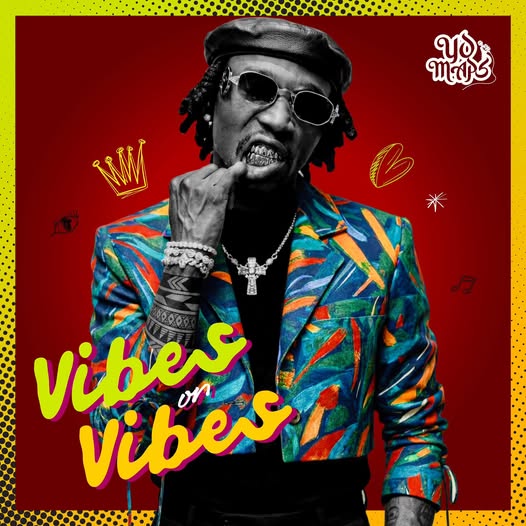
- Yo Maps – Vibes On Vibes Album
- Yo Maps Ft. Mumba Yachi – Kalambe